
Good health is one of the most valuable parts of a happy and productive life. It isn’t limited to avoiding illness. Instead, healthy living includes eating nutritious food, staying physically active, sleeping properly, managing stress, drinking enough water, and taking care of mental and emotional well-being.
In today’s digital world, people regularly search online for information about nutrition, exercise, preventive care, healthy habits, and general wellness. comfortglobalhealth com/ can be included in this broader conversation about making health information easier to understand and apply in everyday life.
A healthier lifestyle doesn’t have to begin with dramatic changes. Small and consistent improvements can often be easier to maintain. For example, replacing some highly processed foods with nutritious alternatives, walking regularly, maintaining a sleep routine, and drinking adequate fluids are practical steps that many people can incorporate into their daily lives.
However, health information should always be considered carefully. Not everything published online is accurate or suitable for everyone. A person’s age, lifestyle, medical history, environment, and individual needs can influence what is appropriate.
This article explores several important areas of healthy living and explains how practical lifestyle choices can support overall wellness.
What Is ComfortGlobalHealth.com?
The topic of comfortglobalhealth com/ can be associated with health education and wellness information. A useful health resource should make complicated subjects easier to understand and encourage readers to develop realistic and responsible habits.
Health and wellness cover many different areas. These include nutrition, physical activity, sleep, mental health, hygiene, disease prevention, healthy aging, and everyday lifestyle choices.
These areas are closely connected. For example, poor sleep can affect daytime energy and concentration. A lack of physical activity can affect fitness and mobility. An unbalanced diet can make it difficult to obtain important nutrients, while ongoing stress can influence both emotional and physical well-being.
Good health education shouldn’t make people feel frightened or overwhelmed. Instead, it should provide clear information that helps individuals make sensible choices.
It’s also important to understand that health isn’t identical for everyone. Different people may require different approaches depending on their circumstances.
Why Health Information Matters

Reliable health information can help people make better everyday decisions. When individuals understand basic principles of nutrition, exercise, sleep, hygiene, and preventive healthcare, they may become better prepared to discuss their needs with healthcare professionals.
One of the biggest benefits of health education is awareness. People who understand the importance of healthy habits may be more likely to recognize changes in their well-being and seek professional advice when appropriate.
Health education can also help correct common misconceptions. Some people believe that healthy living requires expensive products, complicated meal plans, or intense exercise programs. That’s not necessarily true.
Many healthy habits are simple, such as:
- Eating a variety of nutritious foods
- Staying physically active
- Drinking enough water
- Getting adequate sleep
- Maintaining personal hygiene
- Managing everyday stress
- Avoiding harmful habits
- Following recommended healthcare appointments
- Maintaining positive relationships
- Making time for relaxation
The key is consistency. A simple routine practiced regularly can be more useful than an extreme plan that’s impossible to maintain.
Building a Balanced Diet
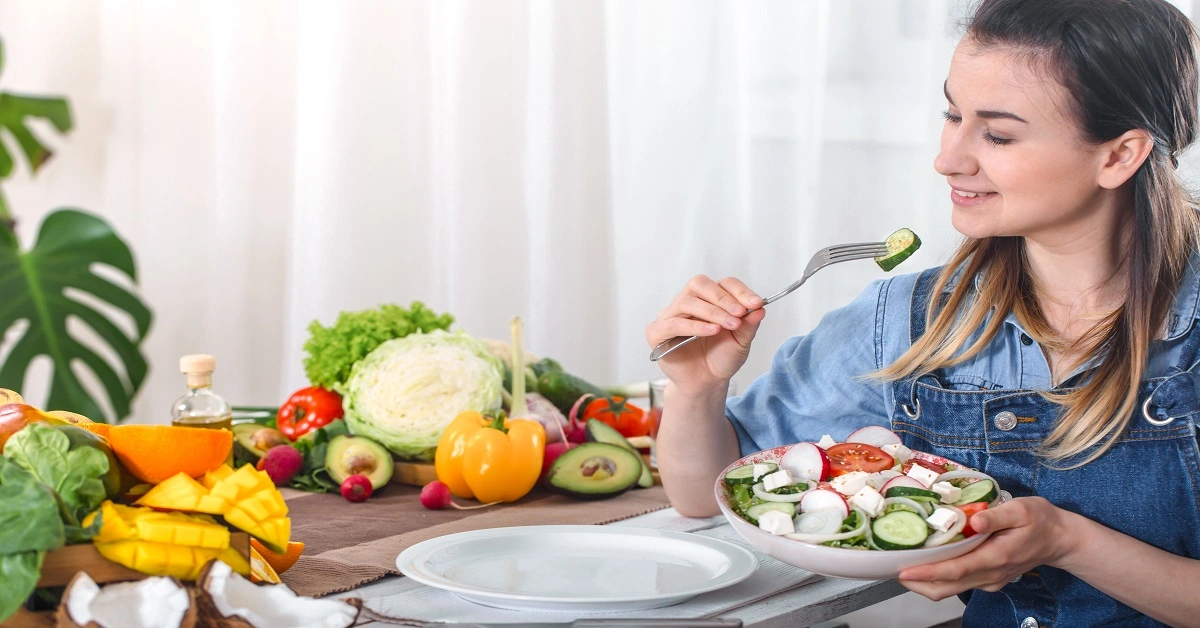
Nutrition is an essential part of a healthy lifestyle. Food provides energy and nutrients that the body needs for normal growth, maintenance, movement, and everyday functions.
A balanced diet includes a variety of foods. Fruits and vegetables provide important vitamins, minerals, and fiber. Whole grains can provide carbohydrates and fiber, while protein-rich foods support normal tissue maintenance.
The following table provides examples of nutritious food groups:
| Food Group | Examples | General Benefit |
| Fruits | Apples, bananas, oranges, berries | Vitamins and fiber |
| Vegetables | Spinach, carrots, tomatoes, broccoli | Vitamins, minerals, fiber |
| Whole grains | Oats, brown rice, whole-grain bread | Energy and fiber |
| Protein foods | Eggs, beans, fish, chicken | Protein and nutrients |
| Dairy or alternatives | Milk, yogurt, fortified alternatives | Calcium and protein |
| Healthy fats | Nuts, seeds, avocado, olive oil | Essential fats and energy |
Portion awareness is also important. Even nutritious foods can contribute more calories than needed if consumed in very large quantities.
It’s generally better to focus on overall dietary quality rather than searching for one magical food. A varied diet can make it easier to obtain different nutrients.
Extreme diets should also be approached cautiously. Sustainable eating habits are usually more practical than highly restrictive plans.
Essential Nutrients Your Body Needs
The human body needs several types of nutrients to function properly. These include carbohydrates, proteins, fats, vitamins, minerals, and water.
Protein supports normal growth and maintenance of body tissues. Sources include eggs, fish, poultry, beans, lentils, dairy products, nuts, and seeds.
Carbohydrates are an important source of energy. Nutritious sources include fruits, vegetables, whole grains, and other minimally processed foods.
Healthy fats also have important functions in the body. Nuts, seeds, avocado, fish, and certain plant oils can provide beneficial fats.
Vitamins and minerals support many normal body processes. Eating a wide range of nutritious foods can help provide these nutrients.
Water is also essential. Fluid requirements can vary depending on activity level, weather, age, and individual circumstances.
Instead of focusing on one specific “superfood,” it’s more useful to maintain dietary variety and balance.
Daily Exercise and Physical Activity

Regular physical activity is another important part of overall wellness. Exercise can support physical fitness, strength, mobility, cardiovascular health, and general quality of life.
You don’t necessarily need expensive equipment or a gym membership. Walking, cycling, stretching, recreational sports, household activities, and bodyweight exercises can all contribute to an active lifestyle.
A simple approach can include:
- Start at a comfortable level.
- Increase activity gradually.
- Include strength-building activities.
- Add flexibility and mobility exercises.
- Take regular breaks from prolonged sitting.
- Choose activities that you enjoy.
Enjoyment can make exercise easier to maintain. If an activity feels realistic and enjoyable, you’re more likely to continue doing it.
People who have been inactive should avoid suddenly beginning extremely demanding workouts. Gradual progress can be more manageable.
Anyone with a medical condition, injury, or special health consideration should seek appropriate professional guidance before starting a major exercise program.
Sleep and Rest
Sleep is sometimes overlooked because of busy schedules, work, study, and family responsibilities. However, sufficient rest is an important part of a healthy lifestyle.
A consistent sleep routine can help create better structure. A comfortable and quiet sleeping environment may also support relaxation.
Helpful habits include:
- Going to bed and waking up at similar times
- Keeping the bedroom comfortable
- Avoiding excessive stimulation before bedtime
- Limiting caffeine late in the day
- Creating a relaxing nighttime routine
- Reducing unnecessary screen use before sleep
Many adults need around seven or more hours of sleep per night, although individual requirements vary.
If someone regularly experiences sleep difficulties or significant daytime tiredness, they should consider discussing the problem with a qualified healthcare professional.
Mental and Emotional Wellness
Physical health is only one part of overall well-being. Mental and emotional wellness are equally important.
Everyday stress is normal, but prolonged or overwhelming stress can affect a person’s quality of life. Developing healthy ways to manage pressure can therefore be valuable.
Some people find relaxation techniques helpful. Others may benefit from walking, hobbies, journaling, spending time outdoors, talking with trusted people, or organizing their daily responsibilities.
Social connections can also provide emotional support. Staying connected with friends, relatives, colleagues, or other trusted people can help reduce feelings of isolation.
Mental wellness doesn’t mean feeling positive all the time. Life naturally includes challenges and difficult emotions. The goal is to develop healthy coping strategies and seek professional help when necessary.
Preventive Health Care
Preventive healthcare focuses on taking sensible steps to protect health before problems become more serious.
Depending on individual circumstances, preventive care may include routine medical appointments, recommended vaccinations, screenings, dental visits, eye examinations, and appropriate tests.
Personal hygiene is another important part of prevention. Regular handwashing, brushing teeth, safe food preparation, and maintaining a clean environment can all support everyday health.
People should also understand that preventive recommendations can differ from one individual to another. Age, family history, lifestyle, and other factors may influence what healthcare professionals recommend.
When in doubt, professional medical advice is the safest way to understand individual preventive needs.
Healthy Habits for Families
Healthy habits can become easier when the whole family participates. Families can encourage nutritious meals, physical activity, adequate sleep, good hygiene, and positive communication.
Parents and caregivers can introduce children to different nutritious foods without making meals stressful. Family walks, outdoor games, cycling, and other activities can make movement enjoyable.
Consistent household routines can also be helpful. Regular meal times and bedtime routines may provide children and adults with greater structure.
Children often learn by observing adults. When parents and caregivers practice healthy behaviors themselves, young family members can see those habits as a normal part of everyday life.
Healthy family routines don’t have to be complicated. Even a short daily walk or an extra serving of vegetables can be a useful starting point.
Hydration and Its Benefits
Water is essential for normal body functions. The body uses fluids for several important processes, including temperature regulation and transportation of nutrients.
Individual hydration requirements vary. Hot weather, exercise, illness, age, pregnancy, and other circumstances can affect fluid needs.
Making water part of your daily routine can help. Carrying a reusable bottle may make it easier to drink regularly.
Sugary drinks can add significant amounts of sugar and calories, so water is often a simple choice for everyday hydration.
Fruits and vegetables also contain water and can contribute to overall fluid intake.
Common Healthy-Living Mistakes
Trying to become healthier is positive, but unrealistic expectations can sometimes make the process difficult.
One common mistake is trying to change everything at once. A person may suddenly start an extremely strict diet, intense exercise routine, and complicated sleep schedule. Such a plan may become difficult to maintain.
Another mistake is believing every health claim found online. Information should be evaluated carefully, particularly when it involves medical treatments or extreme dietary recommendations.
Other common mistakes include:
- Skipping meals unnecessarily
- Following highly restrictive diets
- Exercising too intensely without preparation
- Ignoring sleep
- Drinking too little water
- Sitting for long periods
- Ignoring persistent health concerns
- Comparing personal progress with others
- Expecting immediate results
A healthier approach is usually gradual. Sustainable habits can become part of everyday life instead of feeling like a temporary challenge.
Technology and Modern Health
Technology has changed how people access health information. Mobile applications, smart watches, fitness trackers, online resources, and digital healthcare services can all provide useful tools.
For example, a fitness tracker may help someone observe their activity patterns. A meal-planning application may help organize food choices. Online educational resources can introduce readers to general health topics.
However, technology has limitations. A wearable device doesn’t provide a complete medical evaluation, and an online article cannot replace a professional diagnosis.
Privacy should also be considered. Before using a health application, users should understand what information is collected and how it may be used.
Technology works best as a supportive tool rather than a replacement for qualified healthcare professionals.
Frequently Asked Questions
1. What is comfortglobalhealth com/ about?
comfortglobalhealth com/ is the exact keyword used in this article and is associated with the broader topic of health and wellness information, including nutrition, exercise, preventive care, mental wellness, and healthy lifestyle habits.
2. Why is a balanced diet important?
A balanced diet provides different nutrients required for normal body functions. Eating a variety of nutritious foods can support energy, growth, maintenance, and general wellness.
3. How much physical activity should people get?
The appropriate amount of physical activity varies according to age, fitness, health status, and individual circumstances. General physical-activity guidelines can provide a useful starting point, while healthcare professionals can offer personalized advice.
4. Why is good sleep important?
Sleep supports normal physical and mental functions. Poor or insufficient sleep can affect energy, concentration, mood, and daily performance.
5. How can someone begin living a healthier lifestyle?
Start with small, realistic changes. Eat more nutritious foods, become more physically active, drink enough fluids, establish a regular sleep routine, and develop healthy ways to manage stress.
6. Is all health information online reliable?
No. Online information varies in quality. Readers should prioritize reputable sources and qualified healthcare professionals, especially when dealing with symptoms, diagnosis, or treatment.
7. Can healthy habits prevent all diseases?
No. Healthy habits can support wellness and may reduce certain health risks, but they can’t guarantee complete protection from disease. Genetics, age, environment, and other factors also play roles.
8. Should someone speak with a doctor before changing their lifestyle?
People with medical conditions, injuries, significant symptoms, or other special circumstances should seek appropriate professional guidance before making major health or exercise changes.
Conclusion
Healthy living is not about achieving perfection. It’s about developing realistic habits that support physical, mental, and emotional well-being over time.
The topic represented by comfortglobalhealth com/ highlights the importance of accessible health education and practical lifestyle information. Nutrition, physical activity, sleep, hydration, mental wellness, hygiene, and preventive care all have an important place in a balanced approach to health.
You don’t have to change everything in one day. Start with one or two manageable improvements and build from there. A healthier meal, a daily walk, better sleep habits, enough water, or a few minutes of relaxation can all become valuable parts of a long-term routine.
Most importantly, general health information should not replace personalized medical advice. When you have a specific health concern, persistent symptoms, or questions about treatment, consult an appropriately qualified healthcare professional.
With patience, consistency, and reliable information, healthier habits can become a natural part of everyday life.